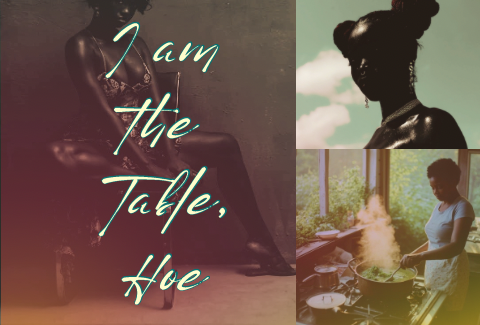
Heterosexually, navigating today’s dating scene feels like deep-diving into a bin of hazardous waste just to find a single flake of gold, all while the toxic environment slowly chisels away at your life expectancy. You’re either hopelessly searching, vying to be seen, praying you’ll somehow spot your golden speck, or you’re on the absolute verge of throwing in the towel.
The universal obstacles are bad enough—the ghosting, the breadcrumbing, the endless situationships, and the terrifying reality of potential abuse. But while those struggles are valid for all singles, Black women have to carry that weight plus the exhausting burden of Eurocentric beauty standards, damaging media tropes, internalized racism, and cultural insecurities cycled through generations of systemic oppression, Jesus.
Women of all races wear hair extensions and wigs but for some reason it is Black women stuck in the hair paradox. The unique policing of black women’s hair alone is a tiring debate; whether it’s done or if its real, a seemingly minor but heavy weight Black women are left to sort out on their own while navigating the dating scene.
We are diving straight into 10 raw, unfiltered reasons why Black women face unique struggles in the search for quality love—because it is time to stop gaslighting women about their dating experiences and start addressing the structural and cultural dynamics actually holding true love back.
1. The Eurocentric Beauty Matrix & The Hair Paradox
Black women are constantly measured against a standard of beauty (Eurocentric or racially ambiguous) that wasn’t built for them, especially women with kinkier hair textures. By 8 years old you knew if you had good or bad hair. The insecurities go far with some black women bleaching their intimate areas because a perfectly normal darker underarm and “black cat” is unacceptable now.
The exhausting politics of hair—deciding whether to wear it natural, straight, or braided—and the anxiety of how a partner will react to the maintenance and reality of Black hair.
2. Media Tropes: The Loud Hyper-Sexual Black Woman with an Attitude Problem
Entertainment and social media consistently reduce Black women to flat, toxic stereotypes (loud, aggressive, or hyper-sexualized).
Men enter the dating pool with preconceived biases towards Black women, treating Black women differently than they would a woman of any other group. Men might have with immediate defensiveness or view black women as short-term fetishes rather than long-term partners.
3. Interracial Dating Double Standards & Out-Marriage Politics
Data consistently shows that Black women are the least likely demographic to be swiped right on in multiracial dating apps, yet face cultural guilt and ridicule when looking outside their race.
Black women face a double-edged sword—dealing with racial bias from outside the culture, while sometimes facing scrutiny or being labeled “traitors” if they date interracially to expand their options.
4. Internalized Misogynoir and Colorism Within the Culture
Most Back women were raised to highly value Black love. Growing up seeing Black power couples in the media, strong Black families on TV fostered dreams of a happily ever after with a handsome and wealthy Black man. Unfortunately, Systemic racism doesn’t just stay on the outside; it bleeds into the community, fueling colorism and texturism.
Black women facing rejection or being undervalued by men within their own community who favor lighter skin or looser curl patterns, which deepens the emotional sting of dating.
5. Generational Trauma and Fractured Relationship
Centuries of systemic oppression and heinous crimes against Black People in America has disrupted the hierarchy of needs for Black peoples. A healthy family unit and relationship structure is a goal that takes twice as hard to work for, whether the partner is within or without the community. Growing up in single parent households, witnessing intimate partner violence, toxic adult relationships and poor learned communication styles are common setbacks experienced in marginalized communities
Navigating partners who carry unhealed generational trauma, leading to poor communication, trust issues, and cycled toxic behaviors that make building a healthy relationship feel like an uphill battle.
6. Hyper-Independence as a Defense Mechanism
The Core Issue: Out of necessity, Black women have learned that they can only rely on themselves to get things done. Black woman are notably high degree holders and working their way high the latter through hard work to become higher earners. It is often a topic of debate on if Black woman are worthy of the preference of a man of a higher tax bracket when they themselves are high earners. This topic has never been up for debate for a non Black tradwife attaining a wealthy husband.
While hyper-independence is a survival tool, it can accidentally block intimacy. It becomes difficult to let your guard down and trust someone else to share the load. Conversely, if insecurities can come from a man that makes less money from the woman they’re linked too, in a society where women are the ones to be wined and dined a man that cannot provide accordingly may become resentful and mean.
7. The Safe Space Deficit (The Lack of Emotional Safety)
Dating requires vulnerability, but vulnerability requires safety. Past hurt and or a weak supportive factor from your childhood upbringing can heighten anxiety in relationships. Through self-reflection a lot of women may find themselves anxiously, avoidant or fearfully attached in relationships.
Because Black women are rarely shielded by society, entering the dating market often feels like entering a battlefield. The constant need to vet for basic needs of safety, respect, and genuine care leads to dating fatigue and burnout.
8. The Silent Blueprint: The Lack of Dating Prep and “The Talk” for Young Black Girls
Growing up, the conversation around romance for young Black girls is usually limited to one rigid command: “Don’t get pregnant.” Because of purity culture, religious modesty, or survival-mode parenting, actual conversations about emotional safety, pleasure, and healthy relationship dynamics are completely skipped.
Black girls enter adulthood with zero training in proper vetting, courting, or setting boundaries. Without a blueprint for what a healthy relationship looks like, they are left to learn by trial and error in that “hazardous waste” dating pool—making them highly vulnerable to settling for bare-minimum treatment, ignoring red flags, or mistaking toxic attachment for true love.
9. The Art of Letting Go: Trying to control everything?
Transitioning out of hyper-independence does not happen instantly; it is built through incremental, intentional behavioral changes that teach your nervous system it is safe to rest.
When you’re use to carrying it all and looking out for yourself it can be intimidating to let go and let someone else help you because you know best for you. Yes, its easier said then done but very necessary if you want to be in an equally yoked relationship where your a boss black women at times by choice instead of necessity. When you do find your someone, communicating internal friction with letting go of control helps establish transparency and room for grace.
10. The Demographic Deficit & The “Gender Choice” Imbalance
Statistically, there is a stark demographic imbalance influenced by systemic factors like mass incarceration and educational/economic disparities.
A skewed dating pool can lead to a culture of low commitment, where men feel they have endless options, driving down the overall quality of available partners.
Summary Conclusion: Navigating the Intersection of Modern Dating & Black Womanhood
More women than ever are choosing the single life and actively de-centering men from their lives, reflecting a universal exhaustion with the modern dating world. While many grew up dreaming of a Black Prince Charming—fueled by visions of strong Black families and media power couples—the reality of today’s dating pool has forced a transition from fairy tale ideals to real-world navigation. Confronting this landscape requires looking at both external societal barriers and the deeply personal internal work necessary for healing. True transformation involves re-parenting yourself, learning to remain open while fiercely holding boundaries, and finding the balance needed to release control and protect your peace. By balancing necessary inner healing with an honest look at external realities, women can reclaim their agency—whether that means choosing fulfilling singlehood or a relationship that is truly healthy, safe, and equally yoked.
Leave a Reply